
Earth Calling
When I was studying painting in Kolkata, I often visited villages around the city and in the nearby Sunderbans on study tours, to interact with and sketch the people living there. The villagers were simple and welcoming. In spite of their poverty, they would offer us food — generally cucumbers. I observed that most had cucumbers for lunch, and would work hard through the day to earn enough money for a proper rice meal in the evening. This opened my eyes to all the poor people who struggle every day to meet their daily needs. It was disturbing, and humbling, to realize that they were so willing to share whatever little they had with us. As a mere student I felt helpless — but I took a pledge that one day I would do something, whatever I could, so that my work might touch their lives in some positive way.
I was brought up in Kolkata, a metropolitan and materialistic city which, like any other metro, is driven by consumerism and self-interest. Such cities do not feel for the poor; they are consumed by their own lives. Marriage later took me to another metro, Bangalore. There I joined the Bangalore chapter of Soroptimist International, a voluntary organization working for the betterment of women and children. I worked closely with many poor and underprivileged families, coming to understand their problems from up close. I tried to express their situation through my paintings; some of these works were adapted into greeting cards by Soroptimist International, carrying the message of my work to many people around the world. The proceeds were used to provide medical aid, food, clothing and other essentials to women in need.
I was initially greatly influenced by the female form, and my early works were dominated by the issues women face — including those I faced myself — in this society. Working closely with village women shifted my focus toward questions of severe physical and socio-economic exploitation.
In 2006, I returned to Kolkata and the Sunderbans. I had spent my earlier days here photographing the villages, and now I noticed many changes. The Gangetic floods had taken a toll on the lives of people in the riverside villages. Many had lost their houses, their belongings, and people dear to them. The homeless had taken shelter in nearby railway stations and local schools — some were even staying on the railway line itself. I began to ask why these floods were happening, and looked for information in newspapers, magazines and on the Internet. It was then that the devastating Bihar floods occurred. Gory images of dying cattle, drowned people and terrified survivors came at us mercilessly through the media. As I watched and listened, one thing became clear: global warming is surely one of the major causes of such destruction. I am certain that the wave of farmer suicides, especially in the Vidarbha region of Maharashtra following huge crop failures, is also connected to global warming at some level.
I found that global warming has caused a profound change in the earth’s natural cycles. Its effects are visible in every corner of this globe — on land, in water, in the melting ice and the disappearing snow, in the eye of the hurricane and the tears of the refugees. We all know about the melting polar caps, the destabilization of glaciers in Greenland, the degradation of islands in west Antarctica. Melting glaciers in the Alps have even forced the redrawing of borders between Switzerland and Italy.
Is global warming not a terrorist of nature? Does it not affect many more people than random acts of political terrorism? Should it not be confronted with the same seriousness? I have been greatly influenced by Al Gore’s book An Inconvenient Truth. I feel global warming is not an industrial issue, a developmental issue, or a political issue. It is a moral issue. That is why I decided to make a body of paintings for this exhibition that express the pain and suffering global warming has the potential to cause.
When I look at my daughter, I ask myself: is this the earth she will inherit from my generation?
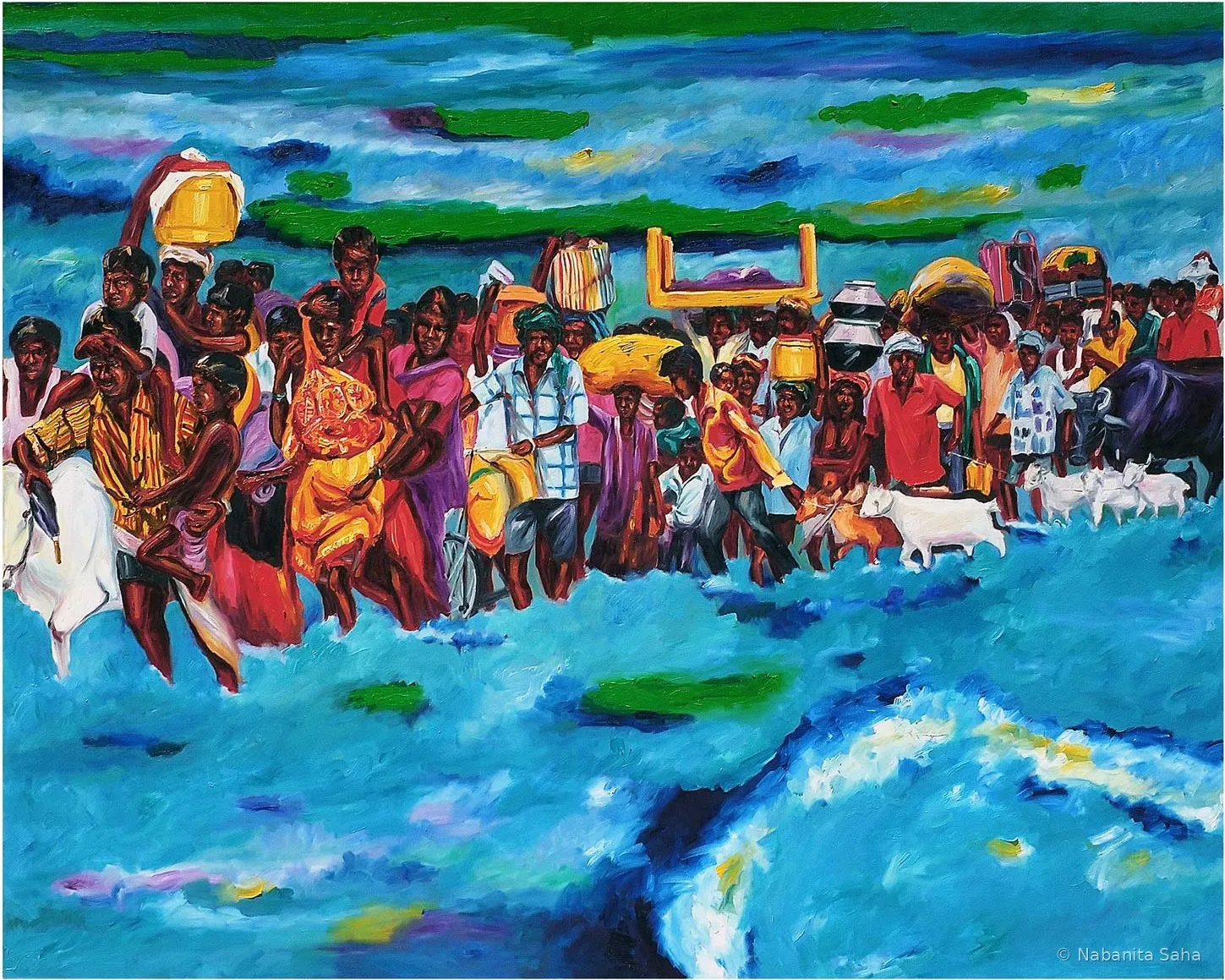
Bonded in Grief I · 2009
Oil on canvas · 198 × 245 cm
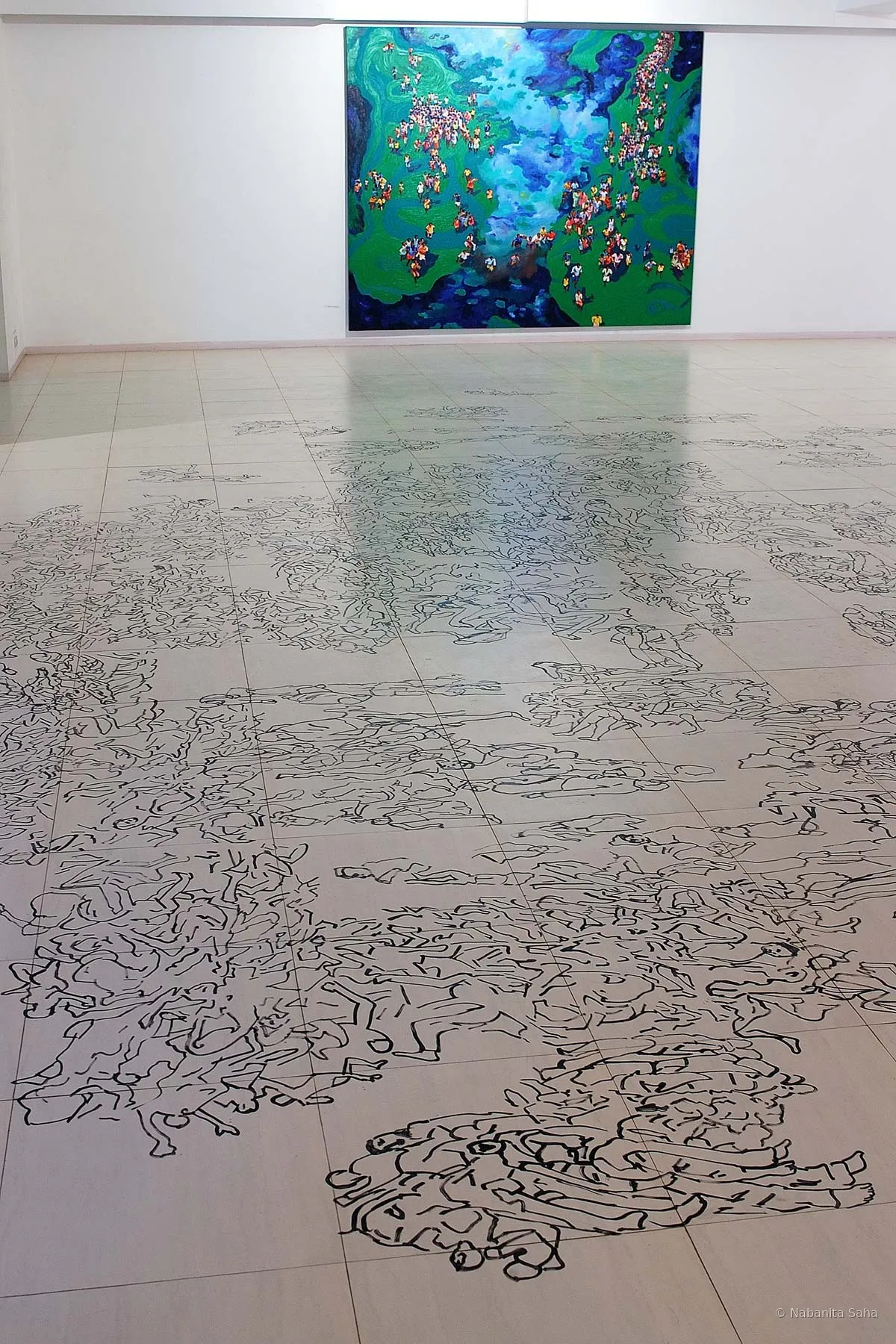
Floor Drawing · 2009
Site-specific drawing installation · dimensions variable
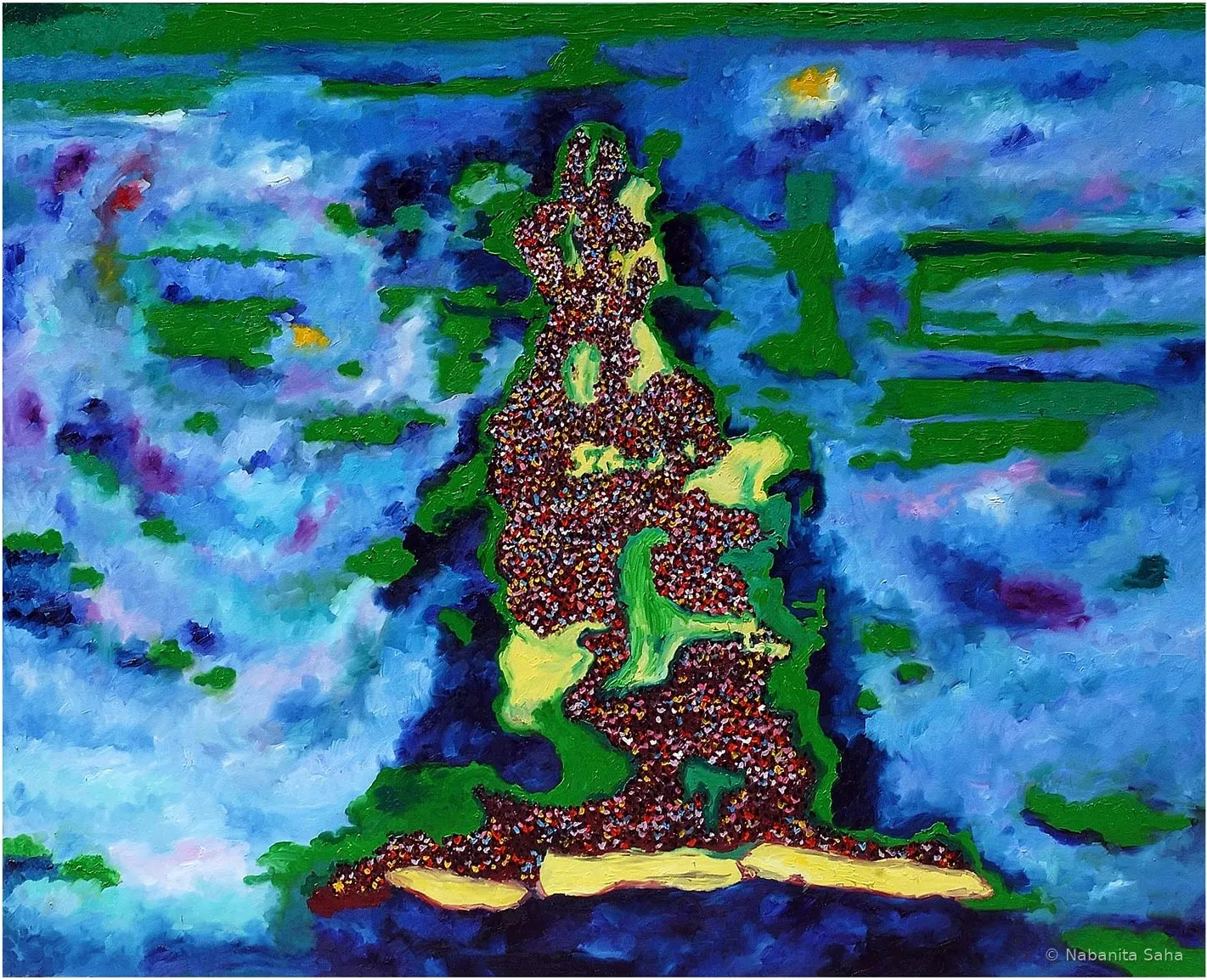
Lost World · 2009
Oil on canvas · 198 × 245 cm
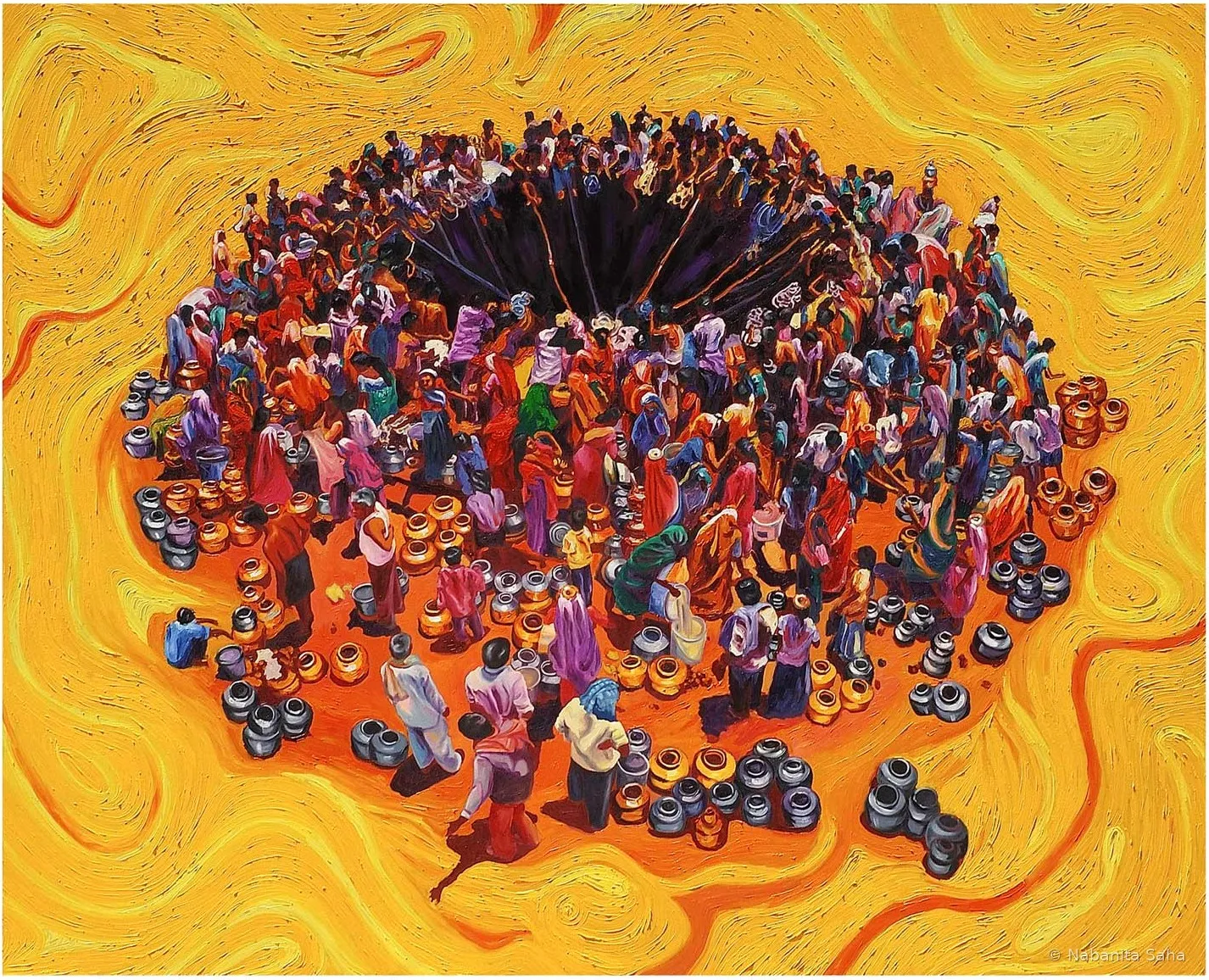
Search Continues · 2009
Oil on canvas · 198 × 245 cm
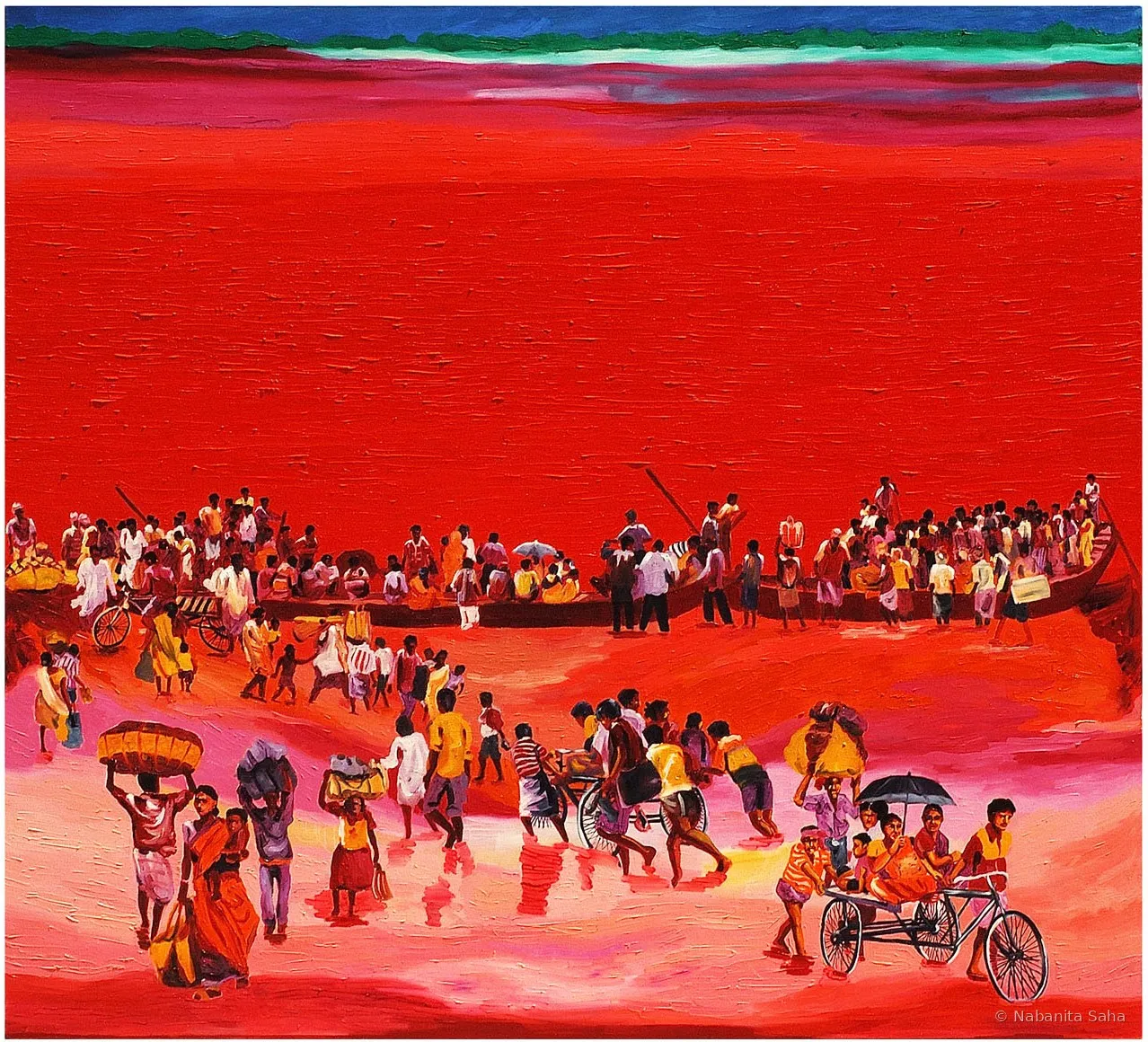
Struggle All The Way I · 2009
Oil on canvas · 152 × 168 cm
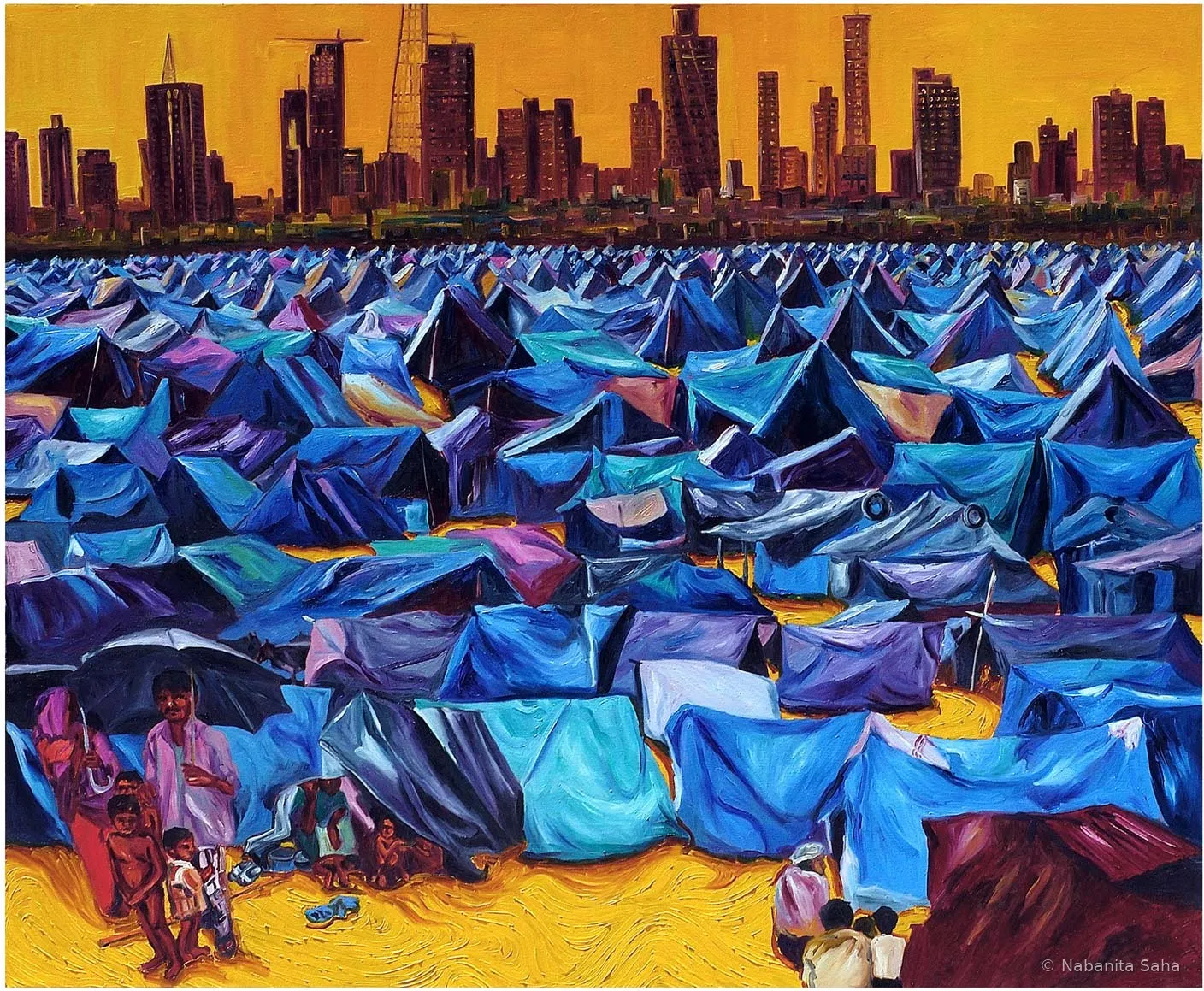
Struggle for Existence II · 2009
Oil on canvas · 152 × 183 cm