
Ganga — The Lifeline of India
A long-term project on the Ganges as artery, sacred presence, and threatened ecology.
Rivers are the arteries of human civilization. They feed selflessly with love and care, and so all civilization is built alongside them. In the northern to south-eastern parts of India, the majority of civilization developed around the river Ganges and its tributaries. Ganga — or Ganges, as it is internationally called — is the most important lifeline of India. The river basin has been inhabited by humans since the second millennium BC.
With its origin in the Gangotri glacier in the northern Himalayan mountains, the Ganges remains one of the leading rivers in the world. It travels 2,510 km to the sea, supports 400 million people along its banks, and creates the world’s largest delta in India and Bangladesh. Although shorter than other major rivers, its significance comes from the rich culture, religion, economy and livelihood it provides — and arguably no other river holds such devotion.
Ganges remains the most holy river in Hinduism. From the birth of a child to death, life’s association with this mystic river is a quintessential part of Hindu life. There is a belief that after cremation, if a Hindu’s ashes are immersed in the Ganges, the soul will travel to heaven without doubt.
With great responsibility comes great burden. The Ganges carries the burden of being one of the most polluted rivers in the world. Its banks are populated by large cities, and it is forced to absorb human and industrial waste. Another concern today is the alarming rate at which the Gangotri glacier is melting. If the current rate continues, the possibility of the Ganges drying up in the near future becomes real.
As a visual artist, I am looking for the opportunity to learn from this great river of Indian civilization, and to share my experience and learnings through my artwork — documenting it in visual form so that present and future generations are able to appreciate the legacy of this lifeline of India. I intend to journey across the flow of the river, from its origin to its end, and capture the daily life that depends on it and the changes it is undergoing — through paintings, photography, video and mixed media.
I am inspired by the ancient classical Indian poet Kalidasa (c. 4th–5th century CE), who wrote the epic Meghaduta in Sanskrit, and by Rabindranath Tagore, who longed for the river-bound landscapes of an earlier age. Through this project I hope to repay my devotion to the greatest legacy of India.
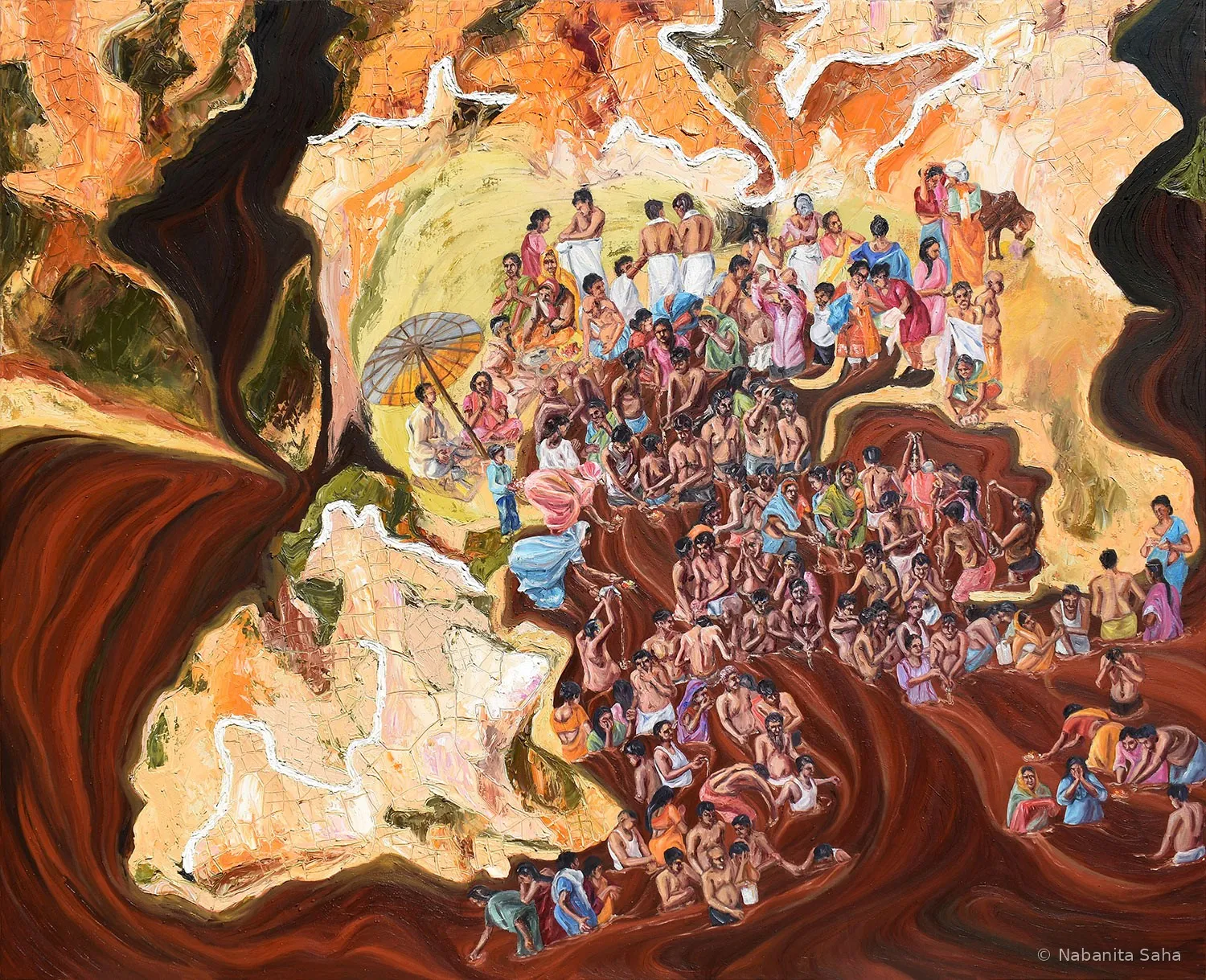
Degradation of Divine Lifeline – XVI · 2025
Oil on canvas · 160 × 198 cm
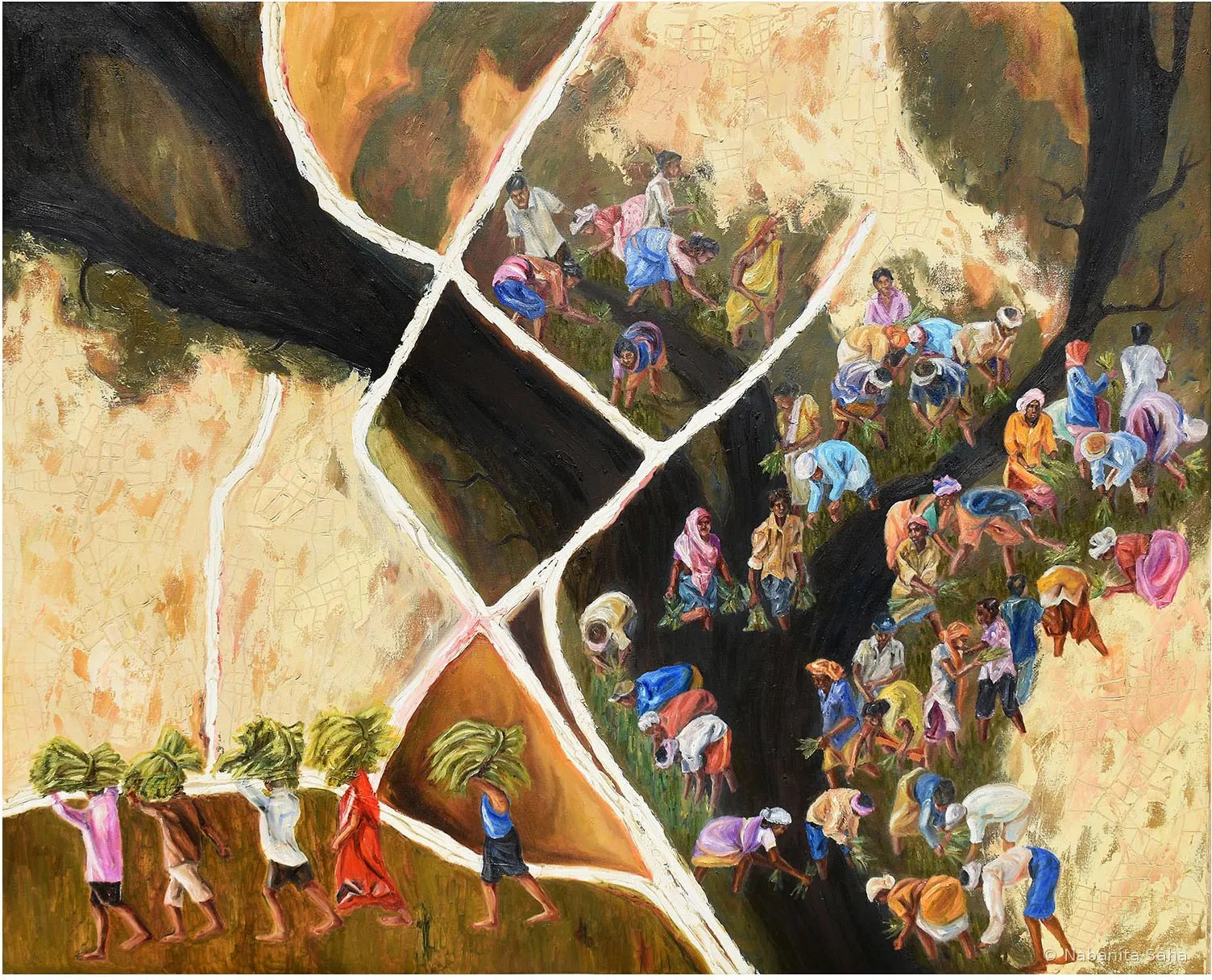
Degradation of Divine Lifeline – XIII · 2024
Oil on canvas · 137 × 168 cm
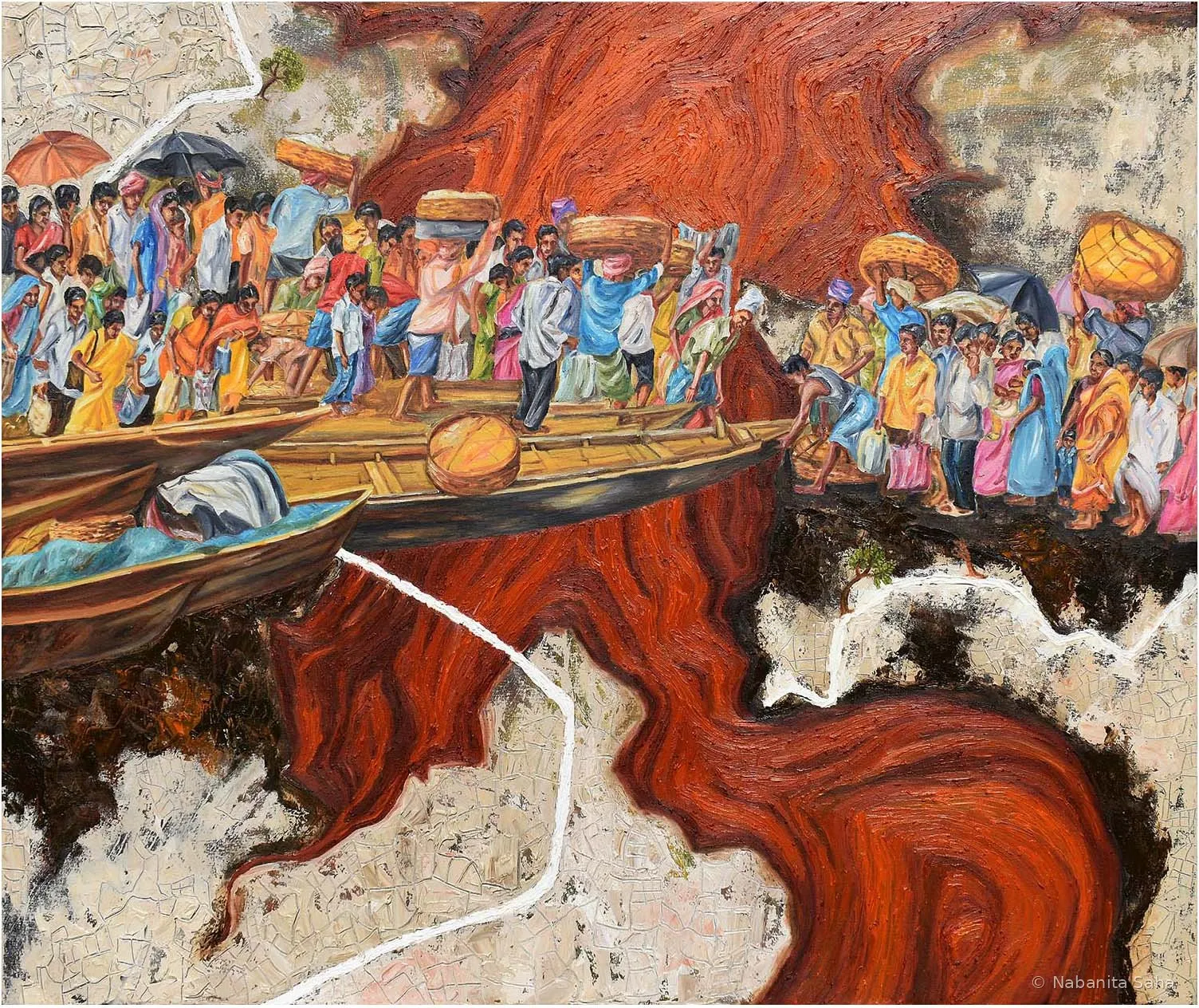
Degradation of Divine Lifeline – XI · 2024
Oil on canvas · 137 × 168 cm
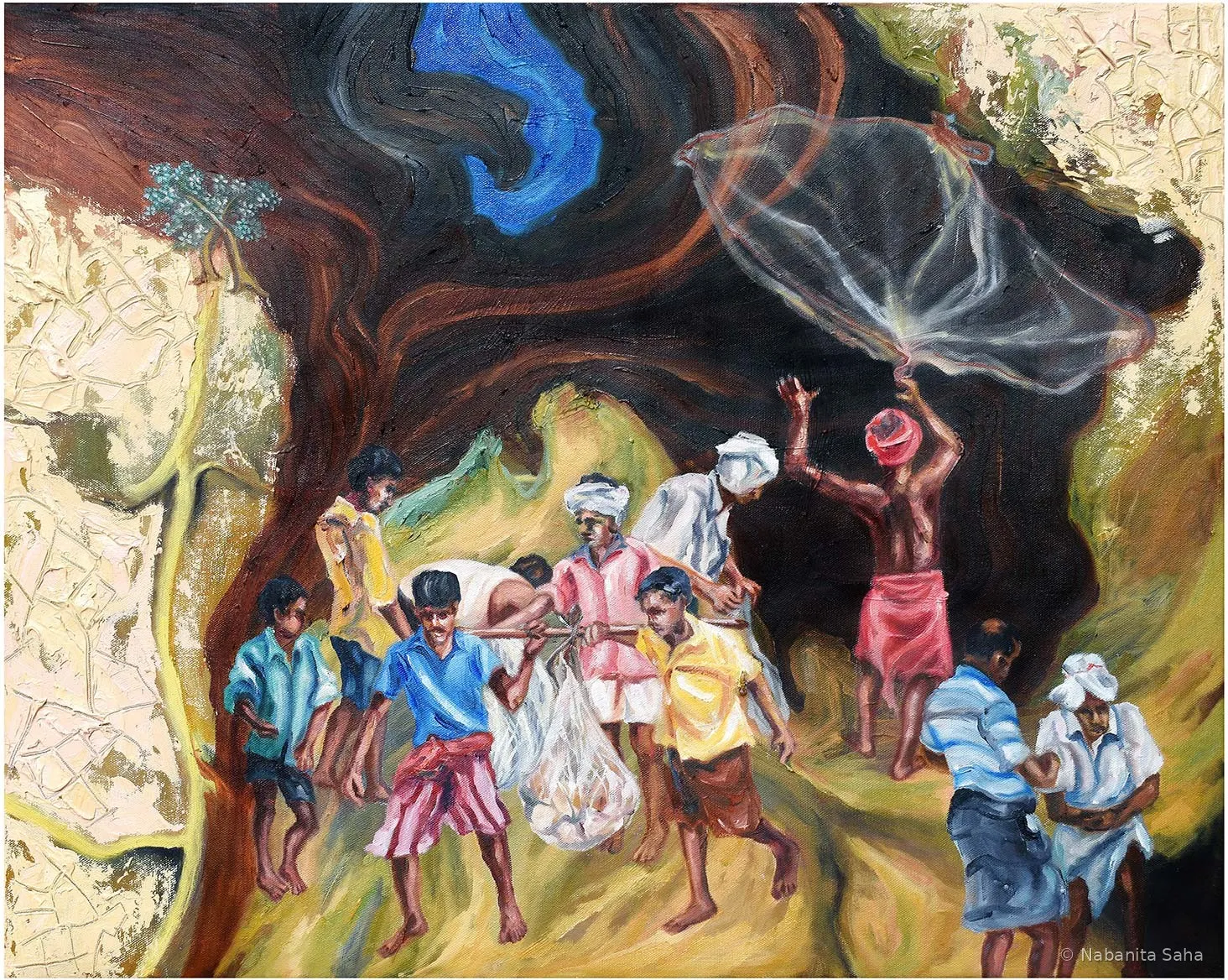
Degradation of Divine Lifeline – X · 2024
Oil on canvas · 61 × 76 cm
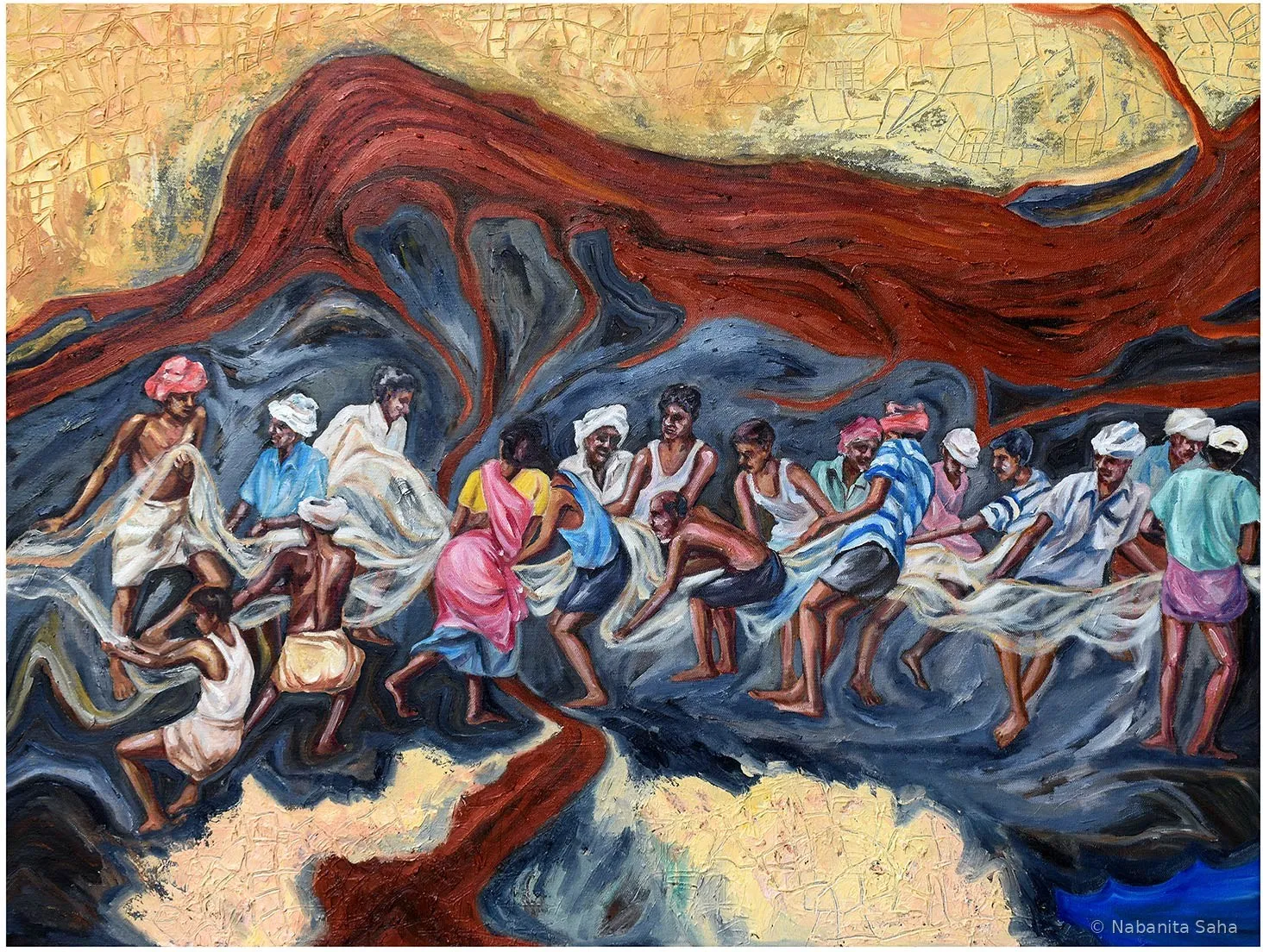
Degradation of Divine Lifeline – IX · 2024
Oil on canvas · 82 × 105 cm
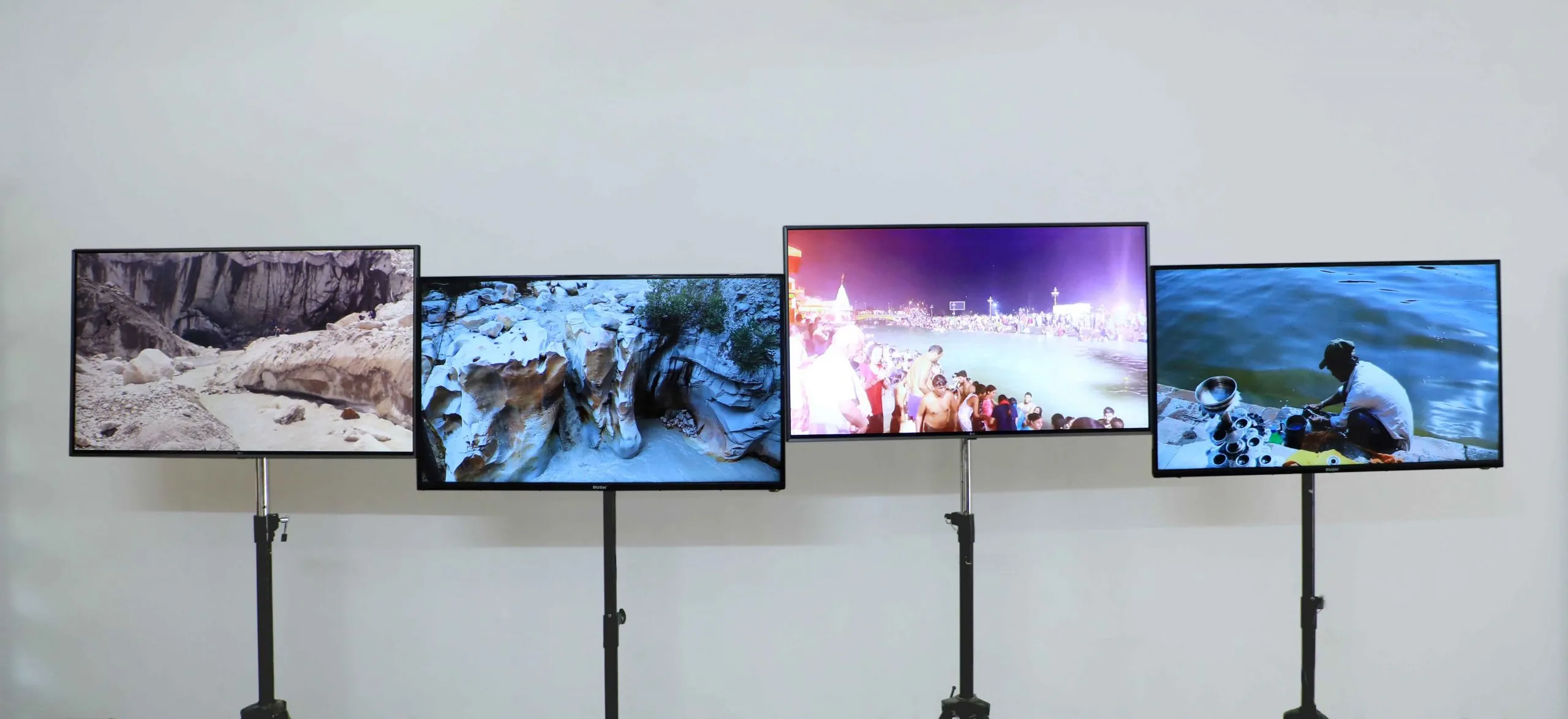
Lifeline of India · 2023 - 2026
5 minutes 32 seconds each video work · 101 × 325 cm
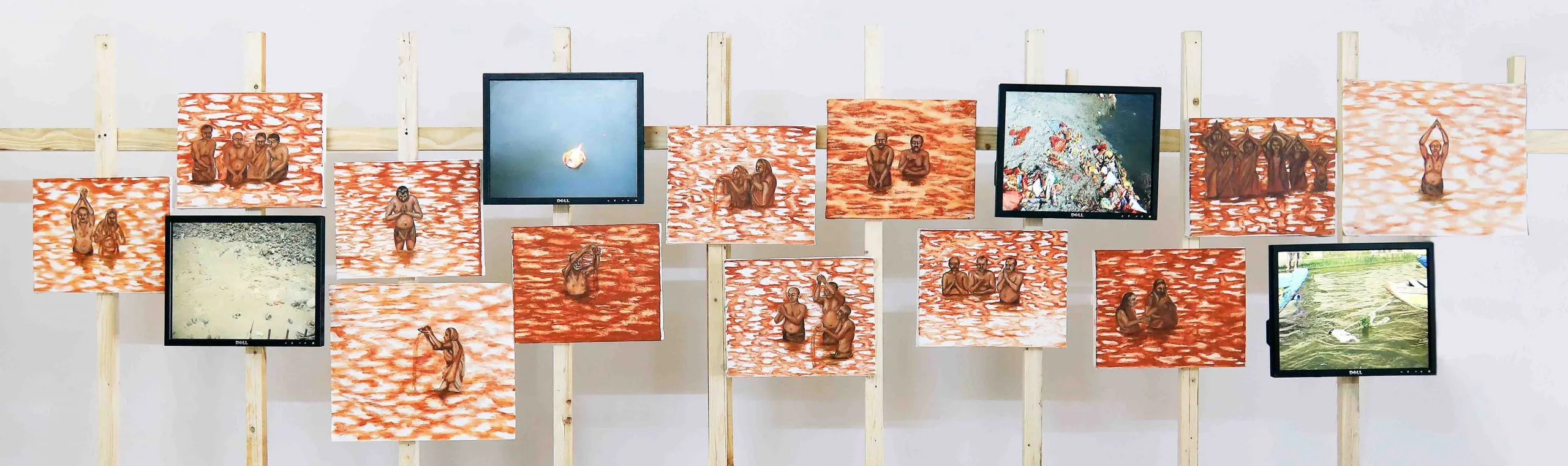
Degradation of Divine Lifeline – VIII · 2023
Oil on canvas and 1 minute each video work · 101 × 381 cm
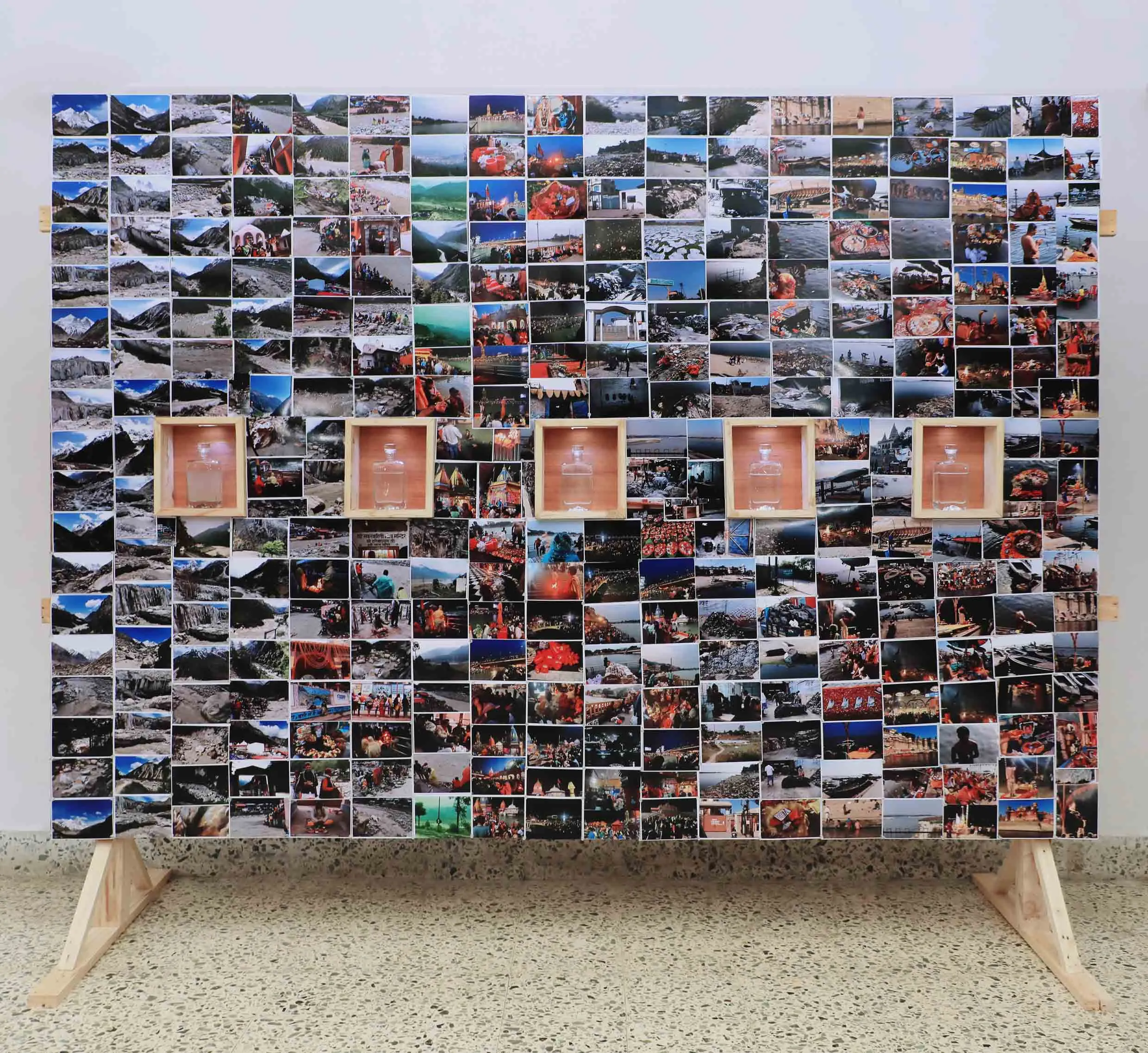
Degradation of Divine Lifeline – VII · 2023
Photography and collected Ganges water from five places · 198 × 245 cm
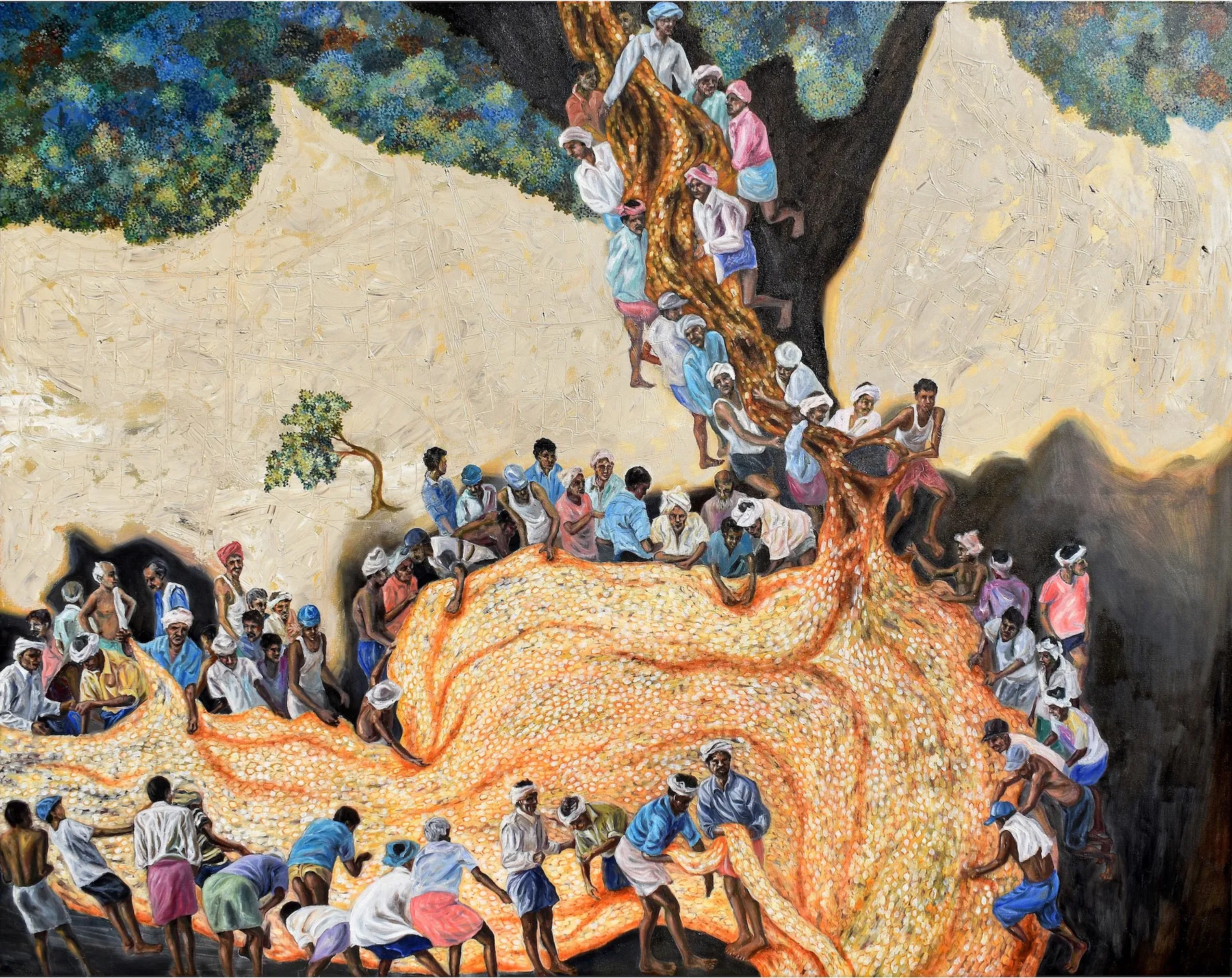
Degradation of Divine Lifeline – VI · 2022
Oil on canvas · 160 × 198 cm
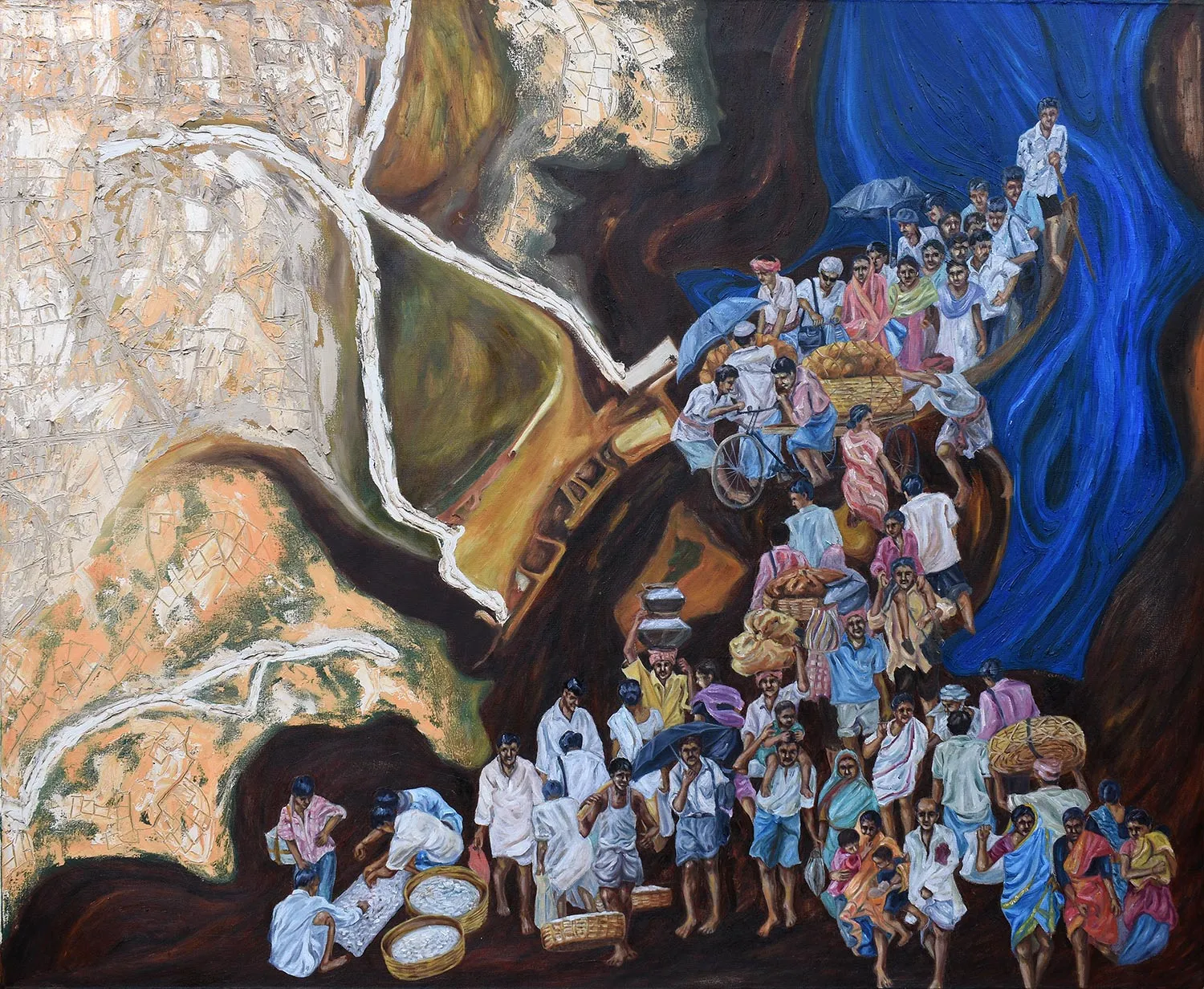
Degradation of Divine Lifeline – V · 2022
Oil on canvas · 137 × 168 cm
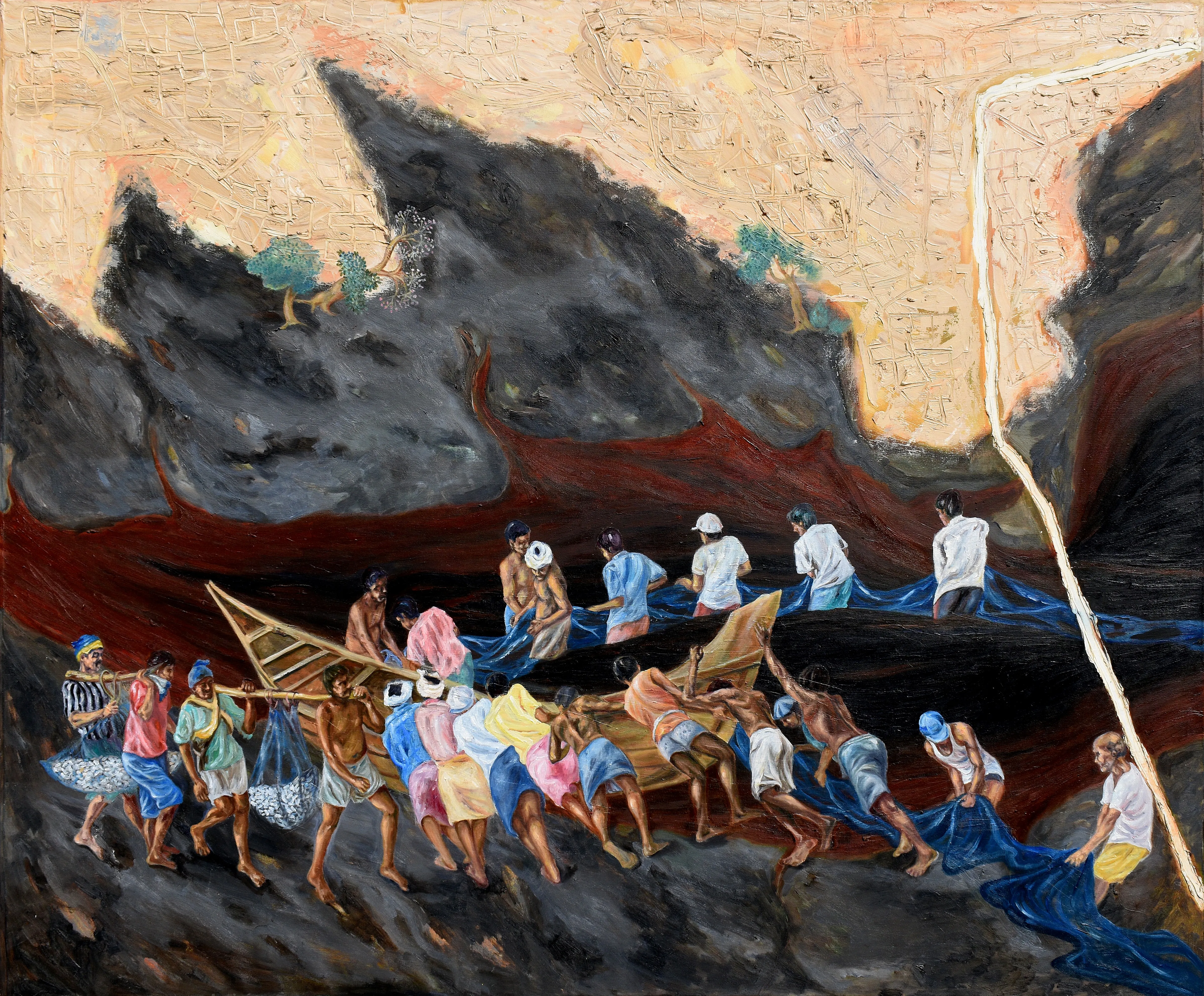
Degradation of Divine Lifeline – IV · 2022
Oil on canvas · 137 × 168 cm
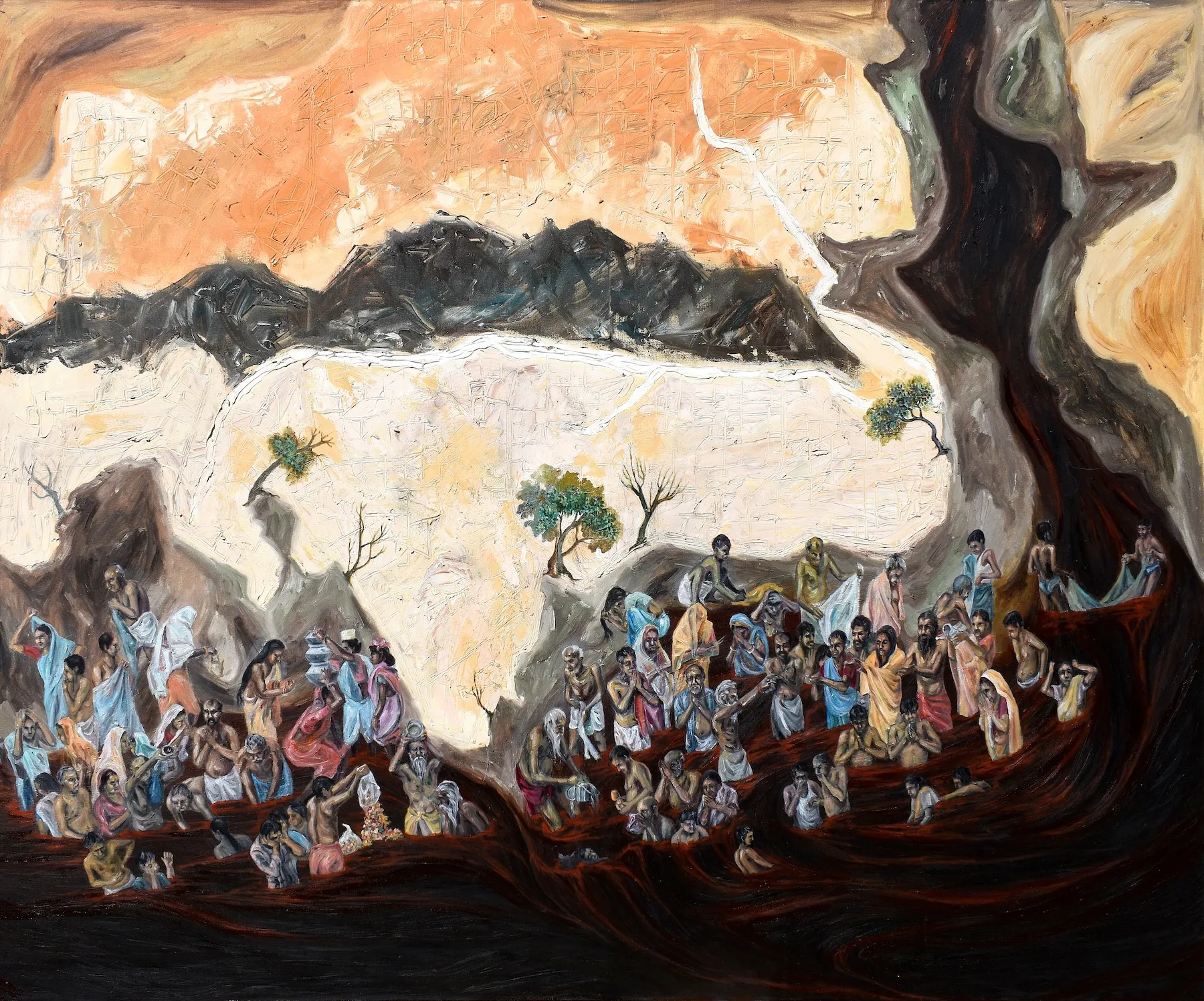
Degradation of Divine Lifeline – II · 2022
Oil on canvas · 160 × 198 cm
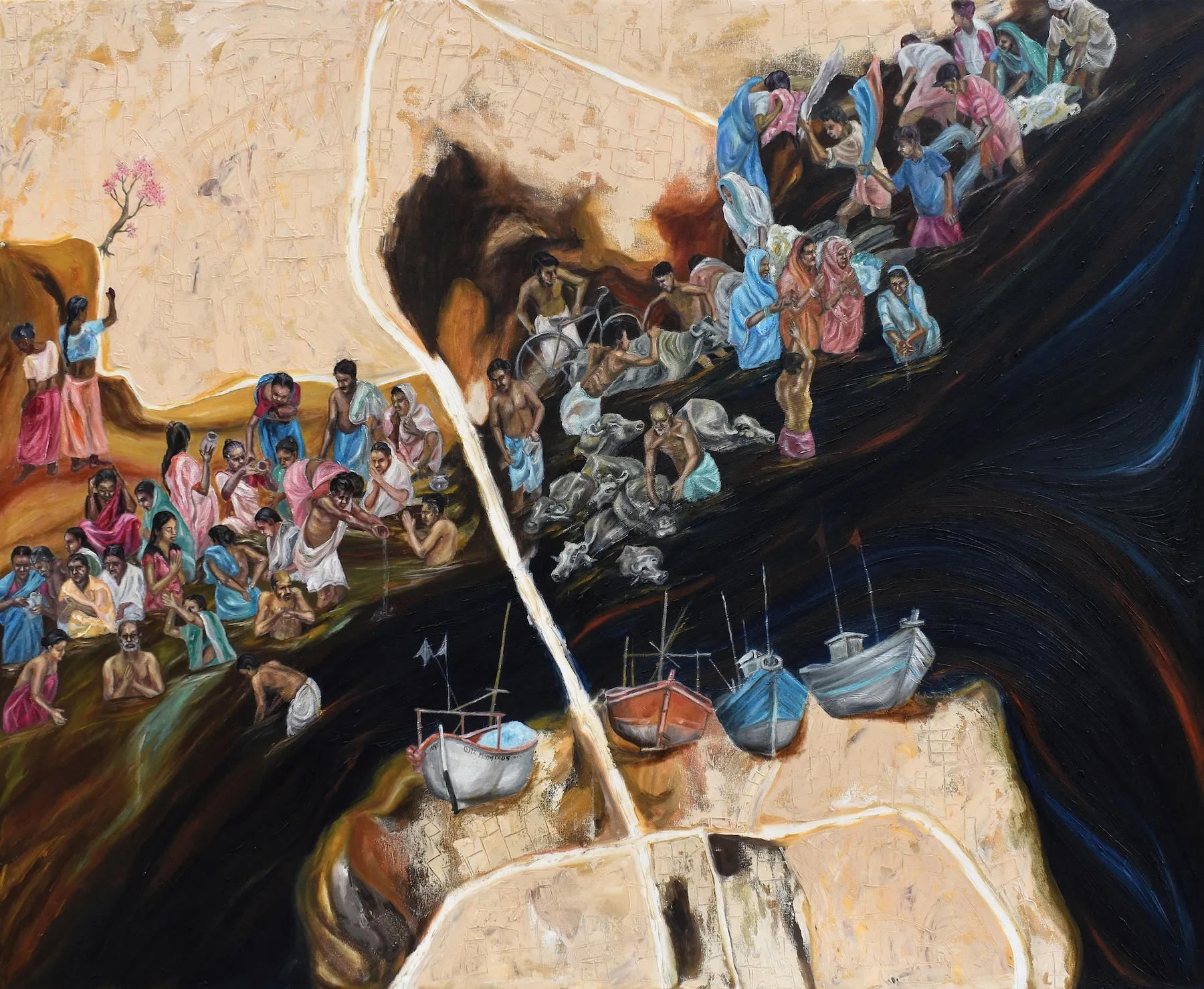
Degradation of Divine Lifeline – I · 2022
Oil on canvas · 137 × 168 cm